
How Beauty Standards Have Evolved
Beauty often feels deeply personal, yet the standards behind it are shaped long before individual choice enters the picture. Across history, ideals of attractiveness rose and fell alongside food access, health risks, religion, and social hierarchy. Fuller bodies once signaled wealth and survival in times of scarcity, while paler skin reflected class divisions rather than preference. These ideals were learned, repeated, and enforced, not naturally selected.
In modern societies, beauty standards shift faster than ever before. Media, technology, and global connection spread images instantly, amplifying pressure while also creating space for resistance. Trends now cycle within years instead of centuries. Understanding where these standards come from explains why beauty ideals feel unstable, why insecurity is widespread, and why no single version of beauty ever truly lasts.
Table of Contents
- Beauty Standards In Early Civilisations
- How Power, Wealth, And Class Shaped Beauty
- Media And The Modern Beauty Ideal
- Beauty, Sexuality, And Desire Across Time
- The Shift Toward Diversity And Personal Expression
Beauty Standards In Early Civilisations
In early civilisations, beauty was closely tied to survival, fertility, and meaning rather than personal taste. Physical traits associated with health, strength, or reproduction were valued because they suggested stability and continuity. Body shape, skin markings, hairstyles, and adornment often carried spiritual or social significance, serving as signals of identity and belonging rather than decoration.
Ancient art and written records reveal wide variation in what was considered attractive. Some cultures celebrated softness and fullness as signs of nourishment and fertility, while others praised symmetry, endurance, or ritual scarification. These preferences reflected climate, available resources, and social roles rather than individual desire. Beauty was about fitting into shared values, not standing apart from them.
Historical analysis shows that ideals changed whenever societies changed. As trade expanded, food supplies shifted, or belief systems evolved, so did perceptions of beauty. Research exploring how beauty standards moved across eras highlights that attractiveness followed culture, power, and survival needs, not timeless rules or natural preference.
How Power, Wealth, And Class Shaped Beauty
As societies became more structured, beauty standards started to reflect power and access rather than survival alone. Features linked to wealth, leisure, and social rank gained importance. Clothing, grooming, and body shape often signaled who had resources and who did not. Beauty became a visible marker of class, reinforcing social boundaries that were already in place.
In many cultures, lighter skin indicated status because it suggested freedom from outdoor labor, while fuller bodies showed access to food. In contrast, thinness or physical hardness could reflect discipline and control in other eras. These ideals were not neutral. They rewarded those already in positions of comfort and framed privilege as attractiveness.
Media And The Modern Beauty Ideal
The rise of mass media reshaped beauty standards more rapidly than ever before. Film, advertising, and later social platforms began presenting narrow ideals as normal and desirable. Repetition turned specific looks into expectations, even when they represented only a small portion of real bodies. Comparison became constant rather than occasional.
Psychology research, including analysis from Science of People, explains how exposure shapes perception. When people repeatedly see the same traits praised, those traits feel familiar and desirable. Over time, media-driven beauty ideals influence self-worth, attraction, and social value, often without conscious awareness.
Working in adult lifestyle spaces has shown me how quickly desire shifts when representation changes. When people see themselves reflected, confidence rises. When they do not, insecurity grows, even if nothing about their bodies has changed.
Beauty, Sexuality, And Desire Across Time
Ideas of beauty have always shaped how desire is expressed and understood. What societies find attractive often overlaps with what they consider acceptable or erotic. In some eras, sexuality was closely tied to fertility and marriage, while in others it was linked to fantasy, performance, or status. These shifts changed which bodies were desired and how openly attraction could be expressed.
Sexual history shows that desire follows cultural permission as much as instinct. As explored in accounts of the secrets of sexual history, what was once hidden or taboo often becomes celebrated later. Beauty and sexuality move together, shaped by values, fear, freedom, and social rules rather than fixed human preference.
The Shift Toward Diversity And Personal Expression
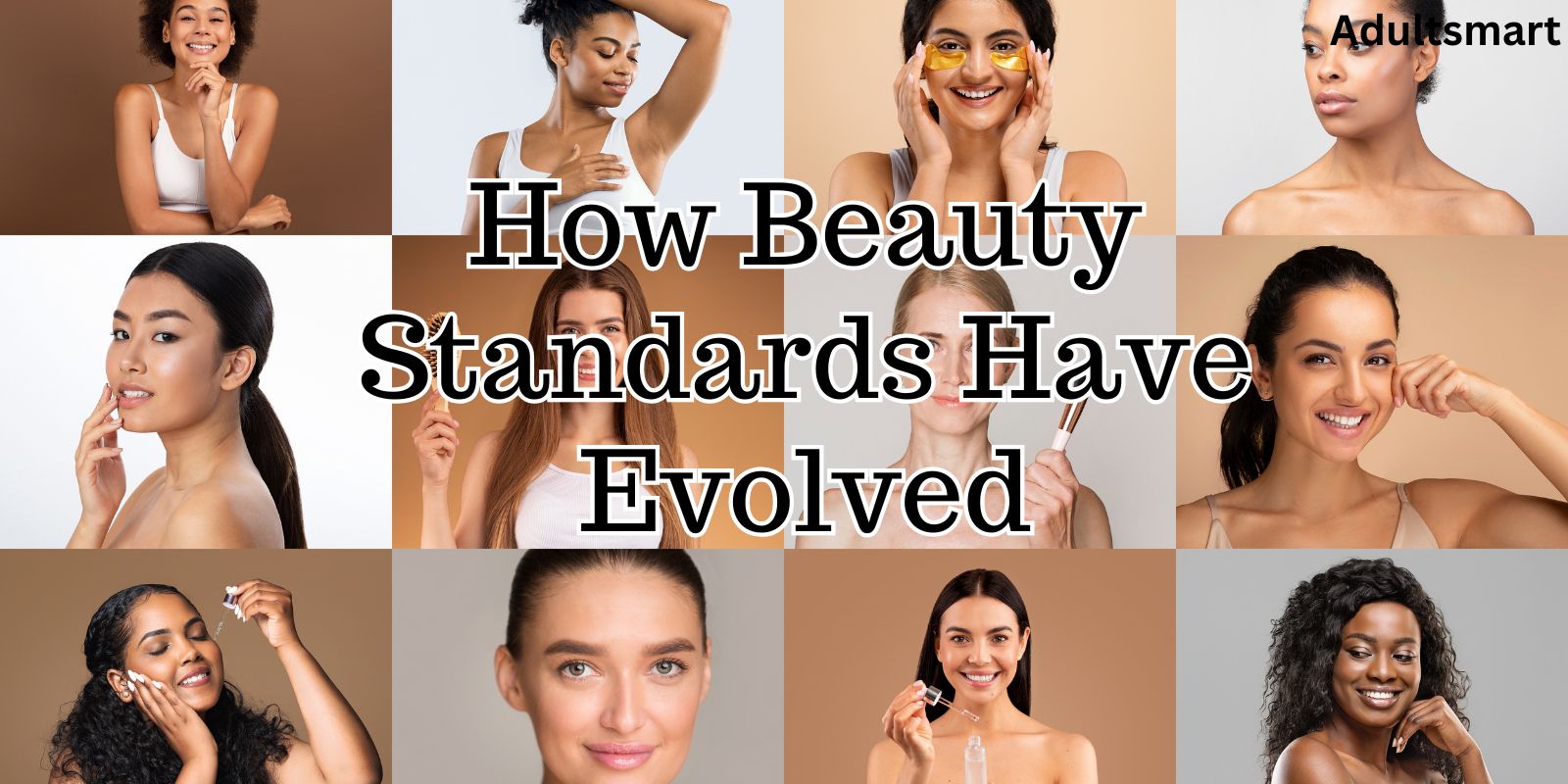
In recent decades, beauty standards have begun to loosen their grip. While pressure still exists, there is greater space for individuality and self-expression. People are questioning narrow ideals and redefining beauty through comfort, confidence, and authenticity. This shift reflects broader cultural changes around identity, consent, and self-worth.
- Greater visibility of different body types and ages
- More open discussion around sexuality and attraction
- Acceptance of non-traditional gender expression
- Beauty framed as confidence rather than conformity
Live performance and adult spaces often reflect cultural change early. Platforms that explore live adult entertainment show how desire adapts when people feel free to express what they genuinely find attractive rather than what they were taught to admire.

Key Takeaways – How beauty standards have evolved
- Beauty standards change with culture, power, and history
- Early ideals focused on survival, fertility, and status
- Media accelerated and narrowed modern beauty ideals
- Sexual desire reflects social permission as much as instinct
- Modern beauty is moving toward diversity and expression
Frequently Asked Questions
How have beauty standards changed over time?
They have shifted with culture, resources, and power, reflecting social values rather than fixed ideals.
Why do beauty ideals differ between cultures?
Different environments, beliefs, and histories shape what traits are valued.
Does media control beauty standards?
Media strongly influences perception by repeating specific ideals, but it does not fully control individual preference.
Are beauty standards becoming more inclusive?
There is growing inclusion, though pressure still exists alongside broader representation.
Can beauty be personal rather than cultural?
Yes. Personal attraction often grows when people question and move beyond inherited standards.

Meet Natalia, your open-minded Adult Lifestyle consultant! With a passion for knowledge, she’s here to guide you with honesty and dedication!





Leave a Reply