
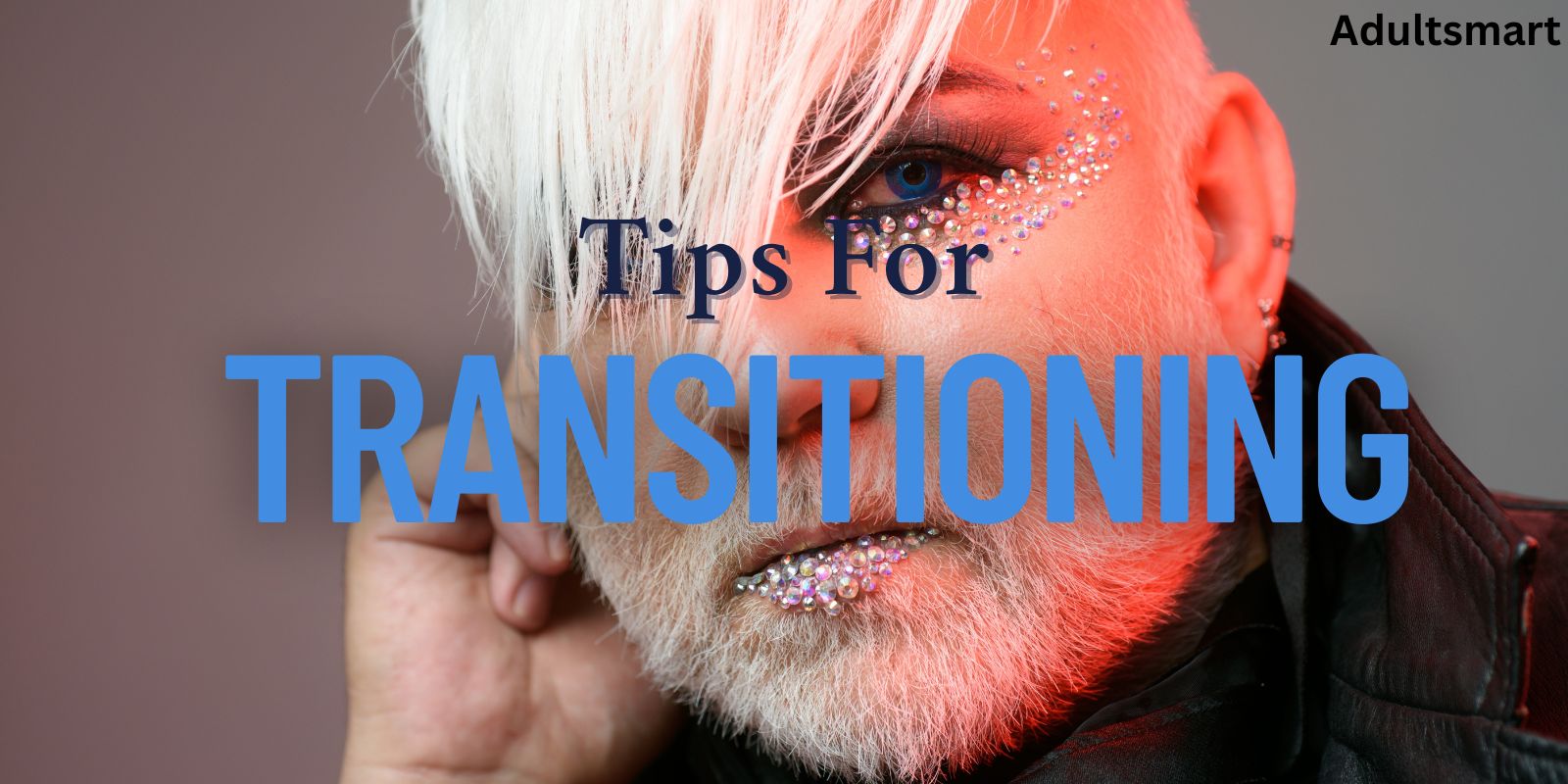
Tips For Those About To Transition
Thinking about transition can bring a mix of relief, fear, excitement, and uncertainty. For many people, it is the first time their inner sense of self starts to feel visible and real. At the same time, questions about identity, safety, relationships, and the future can feel overwhelming. These feelings are common and do not mean you are doing something wrong. They simply reflect how meaningful this stage of life can be.
Transition is not a checklist or a race. Some people focus first on social changes, while others think about medical steps, presentation, or private self-exploration. There is no requirement to explain yourself to anyone or to move faster than feels safe. Understanding that transition is personal, flexible, and shaped by your needs helps reduce outside pressure and allows decisions to come from clarity rather than fear.
Table of Contents
- Understanding What Transition Means For You
- Emotional Preparation And Mental Health Support
- Navigating Relationships During Transition
- Exploring Your Body And Sexual Identity Safely
- Practical Tips For Early Transition
Understanding What Transition Means For You
Transition starts with personal meaning rather than labels or expectations. For some, it involves changes in name, pronouns, or clothing. For others, it includes medical care or legal updates. Many people choose a mix of these steps, taken over time. What matters most is how each choice supports your sense of well-being and authenticity.
External advice can be helpful, but it should not replace self-reflection. Resources that share lived experience, such as guidance from Erin In The Morning, often stress that transition is about alignment, not perfection. You are allowed to change your mind, pause, or redefine what transition looks like as you learn more about yourself.
It can also help to separate internal identity from external presentation. You do not owe anyone visibility or explanation. Some people feel safest transitioning privately at first, while others find strength in being open early on. Both approaches are valid. Giving yourself permission to choose what feels safest and most affirming builds a stronger foundation for the steps that follow.
Emotional Preparation And Mental Health Support
Emotional preparation is often overlooked, yet it plays a major role in how supported and grounded transition feels. Early stages can bring emotional highs alongside doubt or fear, especially when thinking about acceptance, safety, or long-term outcomes. These shifts do not mean you are uncertain about who you are. Instead, they reflect how deeply personal this process can be.
Having support makes a real difference. This may come from friends, chosen family, peer groups, or professional counselling. Mental health resources, such as guidance from Student Minds, emphasise checking in with yourself regularly and seeking help before stress builds. Support is not a weakness. It is a way to protect your well-being while navigating change.
Navigating Relationships During Transition
Relationships often shift during transition, sometimes in unexpected ways. Some people respond with immediate support, while others need time to understand or adjust. Clear communication helps reduce confusion and sets healthy boundaries. You are allowed to decide how much you share, when you share it, and with whom.
Intimate relationships may require extra care, especially when discussing needs, attraction, or identity changes. Open conversations grounded in honesty and patience support connection over assumption. Guides on trans relationships and expressing sexual needs show how communication can strengthen trust rather than weaken it.
Speaking from lived experience, I learned that not every relationship needs immediate answers. Giving people time, while also protecting your own boundaries, creates space for growth without sacrificing self-respect.
Exploring Your Body And Sexual Identity Safely
Exploring your body during transition can bring curiosity, vulnerability, and new forms of comfort. These experiences often change over time, especially as confidence grows and dysphoria shifts. There is no correct pace for this exploration. Some people feel ready to engage early, while others prefer to wait until they feel more settled.
Consent, patience, and self-trust are essential. Learning what feels affirming can happen alone or with partners, and both are valid. Articles that discuss topics like transvestite sex often highlight that sexual identity and expression are personal, layered, and shaped by safety rather than expectation.
Practical Tips For Early Transition
Early transition can feel less overwhelming when broken into small, manageable steps. Focusing on what you can control helps reduce pressure and builds confidence. These steps do not need to follow any order, and none are mandatory.
- Start with private changes that help you feel grounded
- Choose clothing or grooming changes that feel safe
- Keep a journal to track emotions and patterns
- Connect with others who share lived experience
- Set boundaries around questions and access

Key Takeaways
- Transition is personal and does not follow one path
- Emotional support is just as important as physical steps
- Relationships may change and need clear communication
- Body exploration should be safe and pressure-free
- Small steps help build confidence over time
Frequently Asked Questions – Tips For Those About To Transition
What does transitioning mean on a personal level?
It means aligning your outer life with your inner sense of self, in ways that feel safe and affirming.
Do you have to do everything at once?
No. Transition can happen gradually, and pauses are completely valid.
How do you handle fear or doubt during transition?
Fear is common. Support, reflection, and patience help manage uncertainty.
Can relationships survive transition?
Yes. Many do, especially when communication and boundaries are respected.
Is it okay to explore sexuality during transition?
Yes. Exploration is healthy when it is consensual and self-directed.

Meet Morgan, a young designer advocating equality and speaking out against violence. Her journey in the adult industry has been transformative.






Leave a Reply