

The Importance Of Love Gloves
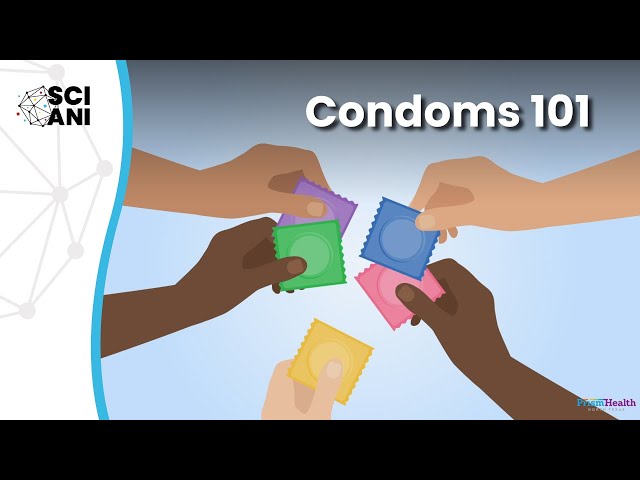
The “Condom” or whatever you want to call it, it goes by many names. A Rubber, Naughty Bag, English Riding Coat, Love Gloves, Private Johnston’s Rain Jacket, and Insurance Glove you get the idea. Whatever you may call it, the Condom has its fans and its hatters. And both sides bring equally valid arguments to the debate, everything from poor fit to sensation loss. Let’s take a closer look at some of these; like most things I talk about, the choice is yours to make. You must be responsible for your own body, know your facts and know yourself.
The following are some of the most common reasons people use in the Great Condom Debate!
They don’t fit!
This might be the most common excuse given when a guy refuses to use condoms. While this is a very valid argument with as many as 40% of men laying claim to this. The condom design we have today has not changed since 1903 when they began using rubber condoms instead of “skin” (made from Sheep intestine) condoms. It wasn’t until the 1920’s when Latex was invented that having a liquid that could be moulded to form and then mass produced eliminated many of the size issues.
Still, 10% of men still claim that condoms are too tight another, 17% claim they are too loose, while 60% claim the condom bunches up (This increases the chance of the whole condom sliding off during intercourse). Lastly, 15% of men claim to experience “Foreskin Drag” (When the condom gets pulled into the foreskin). These are all valid and true excuses, but to be honest…
This, my friends, this is just a lazy shopper! If you gave up that easy because you bought a few general condoms at the local shops, and either you didn’t know how to put the condom on or by chance the condom really didn’t fit, might just be saying what a careless lover you are?
There are over 15 size variations from different condom makers globally. From length to width, whatever the issue, there is a condom fit for you! (If you want more information about fitting condoms, let me know in the comments.)

They are no fun!
Saying condoms are no fun, is like saying variety is bland… It can’t be argued that some of the sensation is lost when using a condom specifically for the male and that the sensation of slippery skin to skin feeling might not be the same, these condoms are the only thing keeping your risk of infection at almost 0.
Condoms these days are more than just an attempt at contraceptive. They can give your mind ease regarding STI’s and pregnancy, but they can also add so many levels of pleasure and fun to your intimate sessions. Condoms come textured for both his and her pleasure, ribbing on the inside and the outside! Condoms today come in countless flavours, and everyone has had those days where you just weren’t into your partners… let’s say natural flavour.
How Many Types Of Condoms Are There?
There are various types of condoms, each with specific uses. Latex condoms offer excellent protection against STIs and pregnancy. Polyurethane condoms are suitable for latex allergies. Lambskin condoms prevent pregnancy but not STIs. Textured condoms enhance pleasure with ribbed or studded designs. Ultra-thin condoms increase sensitivity while maintaining safety. Flavored condoms add fun and are great for oral sex. Lubricated condoms reduce friction and enhance comfort. Glow-in-the-dark condoms add novelty and fun to sexual activities.
I just don’t see where the lack of fun is?
It’s just an extra cost!
Excuse me? The last global census puts condoms in the lowest bracket of consumer goods. Globally condoms cost on average $1. $1! The average single dose of Gonorrhoea medication is $17. If you’re not familiar with the symptoms of Gonorrhoea, dig a little deeper because that $1 condom might not seem so bad. The average cost of having a baby is $9,700. Again another cost that can be avoided with an “extra” cost of $1.
To top this off condoms are given away at all clinics and health care facilities if you don’t see any just ask!
I’m on Contraceptive!
The benefits of hormonal contraceptive have been proven to help with more than preventing pregnancies, the one thing it still cannot do is fight off those nasty infections that are so easily passed through bodily fluids. A contraceptive is great for controlling and effecting hormone systems. No product on the market has the ability to prevent or fight against Sexually Transmitted Infections. The list of these possible infections is ever growing, new strains of previously known STI’s are adapting and even becoming medication resistant. If you experience any symptoms of an STI, find your local general practitioner through Health Engine and book in for a sexual health examination.
Only “Heteros” need them!
It is very clear that Heterosexual relationships can lead to pregnancy, while Homosexual relationships don’t, but as previously discussed pregnancy shouldn’t be your only concern. For anyone participating in anal sex, it is very important to remember that the inner lining of the anus or bowels is much more permeable. This means that its chance of infection is much much higher. The rectum doesn’t have any defence from introduced bacteria or infections. Wearing a condom during any anal intercourse is really the only line of defence.
If you are experiencing “fit” issues, try try and try again. There are so many size variations available to you. Having sex with an ill-fitting condom is really defeating its whole purpose. When condoms are loose, fluids are able to escape which can lead to potential infection. Don’t hesitate to visit any of our store locations, a friendly staff member will be happy to answer any questions and perhaps give you some condom options that might work better for you.
Are Condoms For You?
About the author: KrizPatrick BA(Hon) Psychology- Human Sexuality

Types Of STIs and How To Avoid Them
Sexually transmitted infections, or STIs, are among the most common yet misunderstood health concerns worldwide. Many spread silently, showing few or no early symptoms. Without treatment, they can lead to long-term health issues including infertility, chronic pain, and infections that affect the reproductive system. Awareness, testing, and timely care turn a private concern into a manageable condition. Prevention is simple when people understand what causes these types of STIs and how they spread.
As a physician, I’ve seen that shame and misinformation often stop people from seeking help. In truth, most STIs are easily treated or controlled once identified early. With clear communication, routine screening, and basic protection, sexual health becomes much easier to manage. This article explains the main Types Of STIs, how they spread, and the safest ways to avoid them. Knowledge is your strongest protection—and it starts with learning the facts.
Table of Contents – Types Of STIs
- Understanding What STIs Are
- Common Types Of STIs
- How STIs Spread
- How To Avoid STIs Safely
- Dr. Satish’s Advice on Testing and Communication
- Key Takeaways
- FAQ: STI Awareness and Prevention
Understanding What STIs Are
Sexually transmitted infections are diseases caused by bacteria, viruses, or parasites that spread through sexual contact. This includes vaginal, anal, and oral sex, as well as intimate skin-to-skin contact or shared toys without cleaning. STIs can also pass during childbirth or breastfeeding, though this is less common. Because many infections show no symptoms, routine testing remains one of the best ways to detect problems early.
STIs are divided into three major categories. Bacterial infections such as chlamydia, gonorrhoea, and syphilis can be cured with antibiotics. Viral infections, including HPV, herpes, and HIV, cannot be cured but can be managed with medicine or vaccines. Parasitic infections like trichomoniasis are also curable with targeted treatment. The HealthDirect guide provides clear, current information on how these infections are diagnosed and treated.
Understanding the Types Of STIs helps prevent confusion and stigma. Some infections affect the genitals or mouth, while others can impact the liver or immune system. Recognizing that STIs are medical conditions—not moral ones—encourages people to get tested and treated without shame. Open dialogue, accurate information, and professional care are the foundation of sexual well-being and long-term health.
Common Types Of STIs
There are many Types Of STIs, but most fall into three main categories: bacterial, viral, and parasitic. Each group behaves differently, with unique symptoms and treatments. Knowing the difference helps you understand which infections are curable and which require long-term management. Some people carry more than one STI at a time, which makes regular testing essential for anyone sexually active.
The Cleveland Clinic outlines the most common infections seen in clinics worldwide. Here’s a clear summary of the most frequent ones and how they affect the body:
- Bacterial STIs: Chlamydia, gonorrhoea, and syphilis are spread through unprotected sex. They often show mild or no symptoms at first. Antibiotics can cure these infections completely if treated early.
- Viral STIs: Human papillomavirus (HPV), herpes simplex virus (HSV), and HIV are caused by viruses. Antiviral medicines and vaccines can control symptoms or prevent infection. Early care reduces complications and transmission.
- Parasitic STIs: Trichomoniasis, caused by a tiny parasite, often leads to itching or discharge. It is curable with prescription medication.
Most of these infections spread silently before symptoms appear. Pain, burning, or unusual discharge are warning signs but not always present. Knowing your risk factors and testing regularly are the best ways to protect both your own health and your partner’s. Simple awareness turns fear into prevention, and that begins with education.
How STIs Spread
Understanding how STIs spread helps reduce risk and prevent infection. Most Types Of STIs pass through direct sexual contact—oral, vaginal, or anal sex—when bodily fluids like semen, vaginal secretions, or blood are exchanged. Some infections, such as herpes or HPV, can also spread through skin contact, even without penetration. Sharing unwashed sex toys or razors can transfer bacteria or viruses between partners as well.
Transmission risk increases when protective barriers like condoms or dental dams are not used. Tiny cuts or tears in the skin make it easier for infections to enter the body. People may also spread infections unknowingly, since many STIs show no symptoms for months. Pain or discomfort during intercourse, as discussed in Sex Can Be Painful, can sometimes be linked to untreated infections. Paying attention to pain, discharge, or unusual changes allows for earlier diagnosis and treatment.
- STIs can spread even without visible symptoms or sores.
- Sharing toys without cleaning them between uses increases transmission risk.
- Unprotected oral sex can transmit infections like gonorrhoea, herpes, or HPV.
- Pregnancy and childbirth can also transfer certain infections from parent to baby.
- Open communication with partners and regular testing stop most infections before they cause harm.
How To Avoid STIs Safely
Preventing STIs starts with simple, consistent habits. Condoms and dental dams remain the most effective tools for reducing transmission. Using protection during oral, vaginal, or anal sex creates a barrier against fluids that carry infection. Regular testing for both partners is equally important, especially in new or multiple relationships. Prevention is less about fear and more about staying informed and responsible.
Cleanliness and sexual health go hand in hand. Wash and store toys properly between uses to stop the spread of bacteria or viruses. Using water-based lubricants reduces irritation and tearing during sex, which also lowers infection risk. Good genital hygiene plays a key role, and as shared in Vaginal Odour, noticing unusual changes in scent or discharge can signal an infection early.
Open communication with partners is another layer of safety. Talking about sexual history, testing, and protection builds trust and prevents misunderstanding. Many couples find that these conversations strengthen intimacy rather than weaken it. Prevention is an act of care—for yourself and for the people you share intimacy with. When practiced regularly, safe habits make STIs far less likely and sexual relationships far more confident.
Dr. Satish’s Advice on Testing and Communication
Testing and communication are the two pillars of sexual health. Even when symptoms are absent, regular STI tests are essential. Many clinics now offer discreet testing with same-day results. Sharing your status with partners creates trust and helps stop the silent spread of infection. The guide on How To Talk About STIs offers practical language for approaching these conversations calmly and without fear.
In my clinical experience, people often come to me more afraid of judgment than of the test result itself. I remind them that infection is not a reflection of character, only of biology. When discussed openly, these topics become easier to manage. Routine testing every six to twelve months—depending on activity and partners—keeps everyone informed and safe. Honesty is not only ethical; it is the most effective form of prevention.
Creating a safe communication space with partners encourages mutual care. Discussing comfort levels, protection use, and testing routines strengthens both physical and emotional intimacy. When people replace silence with openness, they replace fear with control. STIs are preventable, treatable, and manageable when handled with awareness and compassion. Knowing your status and talking about it with honesty is a sign of strength, not shame.

Key Takeaways – Types Of STIs
- There are three main Types Of STIs: bacterial, viral, and parasitic.
- STIs can spread even without visible symptoms, making regular testing essential.
- Using condoms and practicing open communication are the best forms of prevention.
- Good hygiene and toy cleaning reduce transmission risk between partners.
- Most STIs are curable or manageable when detected early and treated properly.
FAQ: STI Awareness and Prevention
What are the most common Types Of STIs?
Common infections include chlamydia, gonorrhoea, syphilis, HPV, herpes, HIV, and trichomoniasis. Each spreads differently and needs specific care.
Can I have an STI without symptoms?
Yes. Many infections show no signs early on, which is why routine testing is so important for anyone sexually active.
How often should I get tested for STIs?
Most adults benefit from testing every six to twelve months. More frequent tests may be needed for those with multiple or new partners.
Can condoms prevent all STIs?
Condoms and dental dams protect against most infections but not all. Skin-to-skin infections like herpes or HPV can still spread in uncovered areas.
Are STIs curable?
Bacterial and parasitic STIs are usually curable with medication. Viral infections can be managed through treatment, lifestyle care, and vaccination.


Leave a Reply